YUFE4 postdocs conducting research within the domain of European Identity/ies are focusing on a variety of issues, including urban policies, structures, processes, communities or stakeholders, as well as considering elements of such identities in an urban context, such as culture, heritage, politics, values etc.


Lena Richter
Host University: University of Antwerp
Department: Sociology – Centre for Research on Environmental and Social Change
Supervisor: Prof. Milena Belloni
Co-Host University: University of Maastricht (Prof. Lauren Wagner)
The secular city: A space for nonreligious refugees?
In a nutshell, my research explores being nonreligious as a basis for asylum. In particular, I address whether Europe’s current mobility system—shaped by secular and post-Christian values—carries potential biases towards nonreligious people on the move.
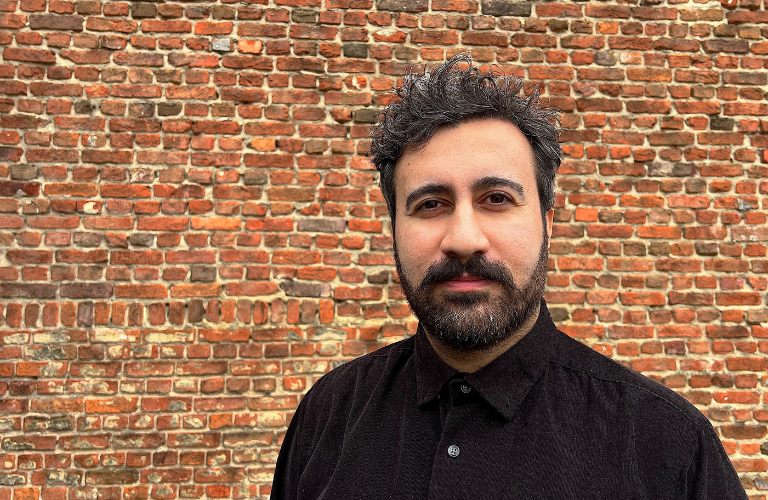
Hasan Baran Firat
Host University: University of Antwerp
Department: Faculty of Design Sciences, ARCHES
Supervisor: Prof. Piraye Hacıgüzeller
Co-Host University: University of Cyprus (Prof. Apostolos Sarris)
Past Echoing the Future: A Harmonious Conversation Between Past Sounds and Present Urban Soundscapes
Historical soundscapes offer valuable insights into the sensory heritage and community identity of urban environments, yet they are often overlooked in modern heritage discourses. This study focuses on reconstructing and preserving the auditory history of early modern Antwerp and Naples through innovative methodologies. Employing natural language processing, geospatial data, acoustic modelling, and augmented reality, it seeks to revive historical auditory environments.
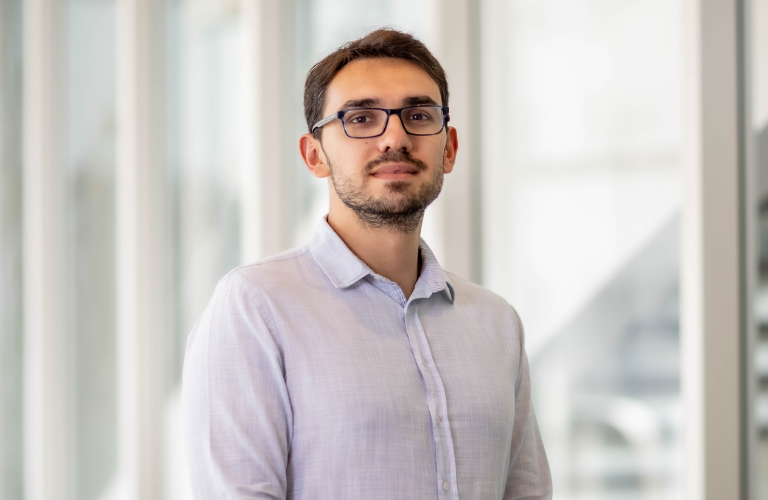
Burak Sayim
Host University: University of Antwerp
Department: Center for Political History, Department of History
Supervisor: Prof. Henk de Smaele
Co-Host University: University of Eastern Finland (Prof. Jeremy Smith)
Anticolonial Lives between Europe and the Middle East
The project traces the transformation Middle Eastern anticolonialism in the interwar years, through the transregional and trans-ideological connections established in the militant worlds across the Middle East and European metropolises such as Paris, Berlin, Rome, Geneva, Brussels, and Moscow.

Olga Gkiouleka
Host University: University of Cyprus
Department: Department of History and Archaeology
Supervisor: Prof. Natasha Constantinidou
Co-Host University: University of Antwerp (Prof. Pierre Delsaerdt)
Unveiling the Foundations of European Identity: A Comparative Study of the Typology and Dissemination of Greek Books in the Renaissance Spain and Italy (15th -17th century)
The project investigates Greek books produced in Spain and the circulation of Greek books in Spain printed in Italy and Antwerp (15th–17th c.). It examines their role in Renaissance humanism and how Greek heritage contributed to shaping European identity and cultural exchange during this transformative period.
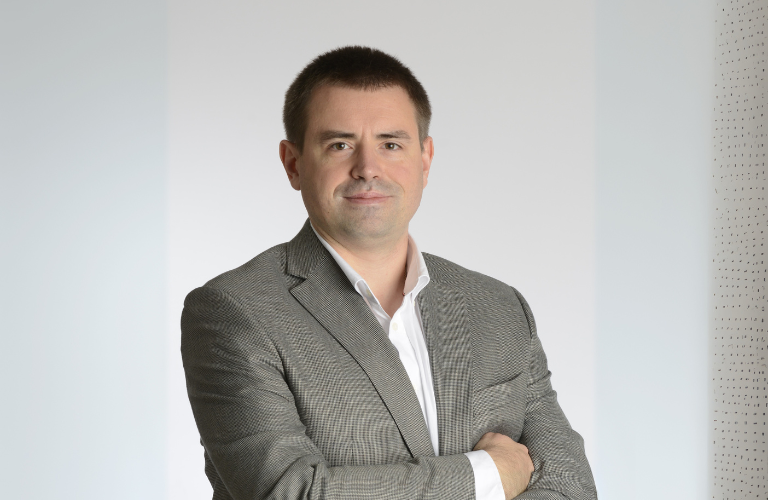
Ivan Romashchenko
Host University: University of Cyprus
Department: Department of Law, Faculty of Social Sciences and Education
Supervisor: Prof. Thomas Papadopoulos
Co-Host University: Nicolaus Copernicus University in Toruń (Prof. Aleksandra Sikorska-Lewandowska)
Challenging Strategies: Related Party Transactions in the EU
This project examines the effectiveness and impact of strategies for material related party transactions under the EU Directive 2017/828 and its national implementations. Focusing on Cyprus, Poland, and Belgium, it evaluates compliance, stakeholder perceptions, and overall efficiency.

Zahira Bano
Host University: Nicolaus Copernicus University
Department: Physiochemistry of Carbon materials, Faculty of Chemistry
Supervisor: Prof. Artur Piotr Terzyk
Co-Host University: Universidad Carlos III de Madrid (Prof. Juan Carlos Cabanelas Valcarcel)
Smart composite Solutions: Harnessing Fluoropolymers and Advanced Carbon Nanomaterials for Anti-icing and Piezoelectric Functionality in wind turbine blade coverings
Ice accumulation is a widespread phenomenon that has severe impact on various social systems e.g. wind power generation, aerospace, and automobile. The formation of ice creates significant challenges for the maneuverability of aircraft resulting in aviation disasters. Ice accumulation on wind turbine blades lead to an annual yield loss of up to 50%.
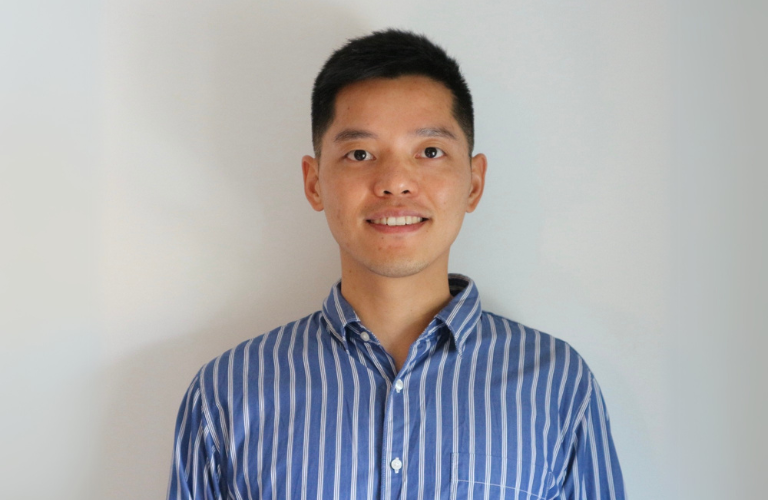
Weiya Li
Host University: Universidad Carlos III de Madrid (UC3M)
Department: History, Geography and Art
Supervisor: Prof. Jesús Bermejo Tirado
Co-Host University: University of Cyprus (Prof. Ourania Kouka)
Tracing Rice’s Ancient Journey to the Iberian Peninsula
Spanish cuisine is a key part of European identity, with rice playing a prominent role in Spanish culinary traditions. This project traces rice’s journey through pottery analysis from Roman and Medieval sites in Spain. Findings will be shared through outreach and publications, shedding light on rice’s impact on Iberian culinary heritage.

Gislene Rodrigues da Silva
Host University: Universidad Carlos III de Madrid
Department: Department of Librarianship and Documentation
Supervisor: Prof. Fátima García López
Co-Host University: University of Rijeka (Prof. Marina Vicelja-Matijasic)
Heritage preservation of Digital culture: developing a metadata model to describe collections of memes for use in European national libraries
Memes are resources that share ideas and express identities. Recognizing their cultural value, European libraries aim to preserve them to safeguard digital memory, but it remains a challenge for institutions. This research aims to develop a standardized way to organize memes to facilitate their access and contribute to the preservation of the digital memory of European citizens.
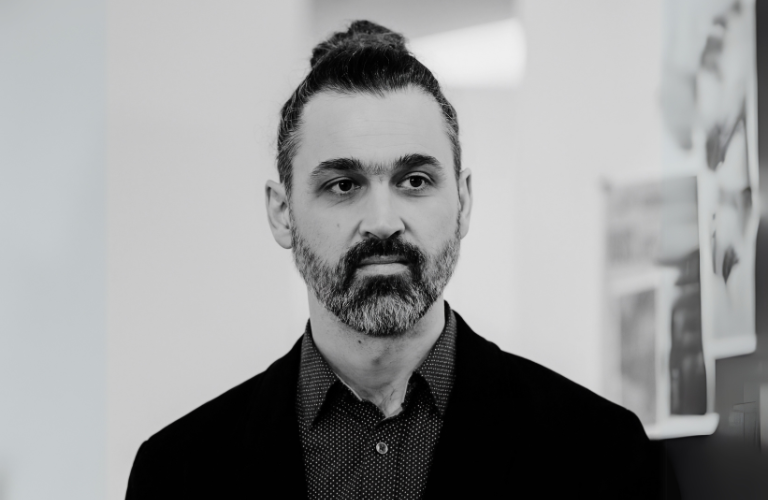
Danijel Matijevic
Host University: University of Rijeka
Department: History Department, Cultural Studies Department
Supervisor: Dr. Vjeran Pavlaković
Co-Host University: Maastricht University (Prof. Ferenc Laczó)
‘Cleanse this City:’ Ideology, Genocide, and Retribution in Vukovar, Croatia, 1939-1948
My project explores ideology, local agency, and the way the Holocaust, Samudaripen, Ustaša genocide against Serbs, and repression of antifascists impacted two highly diverse cities in the World War II era—Vukovar, ruled by the Axis-allied Ustaša movement, and Rijeka, first under Italy then Germany—including retributive violence in the immediate postwar under Yugoslav communists.
Latest news
Discover the Top 3 Winners of the 2026 Outstanding Collaboration Award

YUFE Annual Strategic Forum 2026: Retracing our steps and dreaming Europe forward
YUFE Alliance Unveils Shortlist for the 2026 Outstanding Collaboration Award
Is English the Gateway to More Multilingualism?
YUFE R&R Webinars in a Snapshot

YUFE Brussels Diaries: Our Interns’ Perspective
Sustainable Travel in YUFE – Yes, we can!
YUFE Mental Health First Aid Programme
Upcoming YUFE Civic Engagement Training Sessions
YUFE Peer Support Groups Reach Over 100 Postdocs