
26 May 2026
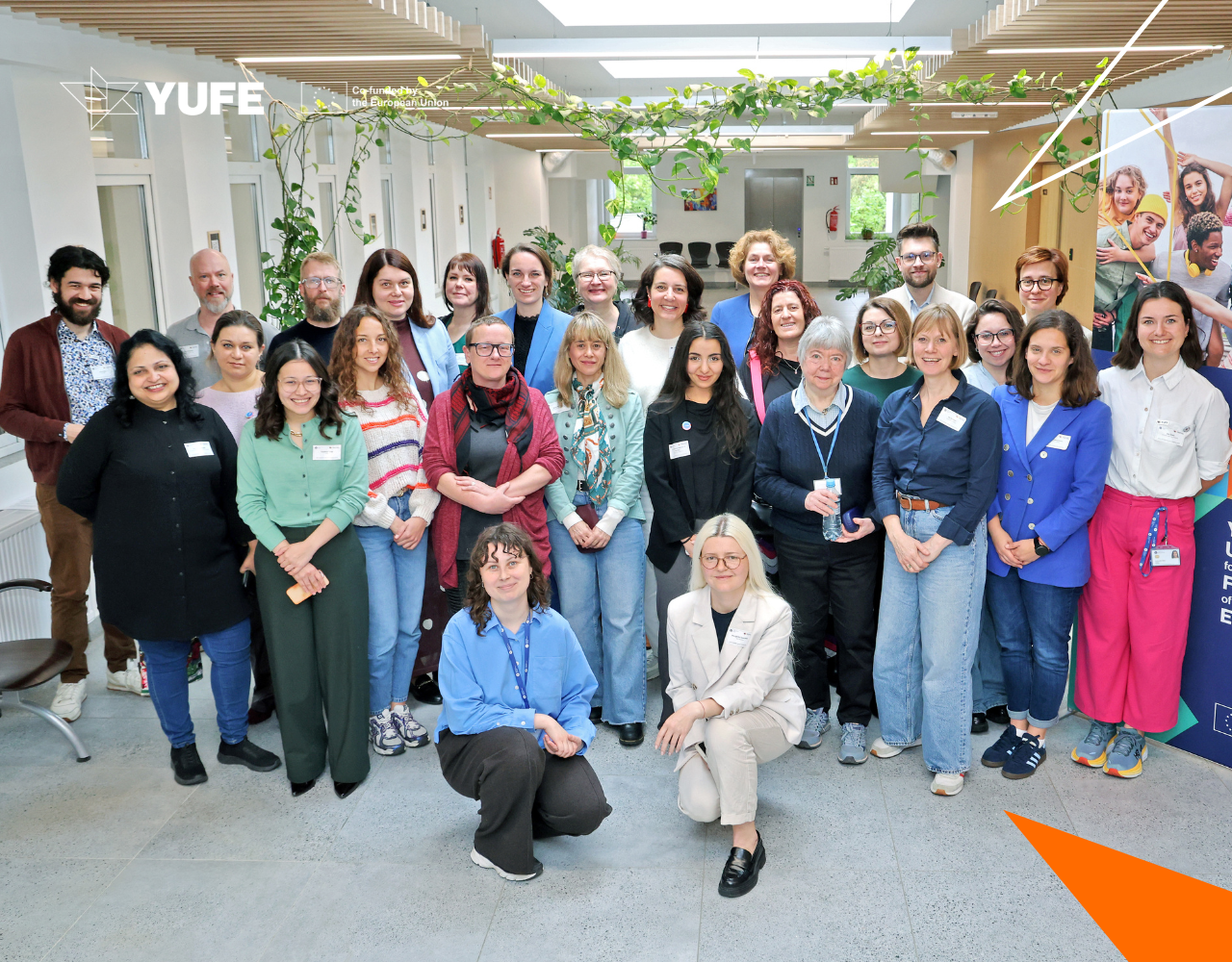
The second edition of the YUFE CommUNIty Conference: Connecting Cultures, held on 19-21 May 2026 at Nicolaus Copernicus University in Toruń, brought together community partners from across Europe working with people with migration experience.
As the second CommUNIty Conference, following the inaugural edition in Rijeka in 2024, the event in Toruń further strengthened the platform for dialogue between academia and society. It demonstrated how YUFE fosters meaningful, long-term relationships between universities and their local and international communities, promoting knowledge exchange, social innovation, and collaborative responses to contemporary challenges such as migration and inclusion.
The conference also marked the first in-person meeting of the YUFE Community Engagement Network, alongside the YUFE Community and Civic Engagement gathering. Over three days, participants engaged in a rich programme combining academic insight, practical workshops, and experiential learning. The event created a space not only for professional development and exchange of best practices, but also for reflection on well-being and resilience in socially engaged work.
A keynote lecture by Prof. Maria Lewicka explored the concept of place attachment in a highly mobile world, offering valuable perspectives on how emotional connections to place remain crucial. Her talk provided an important theoretical lens for understanding integration processes and the role of place in shaping identity and belonging.
Workshops addressed key themes relevant to professionals working in intercultural and community contexts. Participants explored the potential of buddy programmes as tools for building inclusive networks and supporting integration, and examined empathy fatigue and strategies for self-care.
Rik Rijnders from Kanzo Network (Belgium): The conference in Toruń showed how valuable European collaboration becomes when universities and non-profit organisations truly learn from one another. Sharing practices and experiences across borders strengthens not only our work but also the sense of shared commitment to social change. It is inspiring to see how much engagement and drive exist across Europe, and how YUFE succeeds in connecting people and initiatives around common challenges.
A particularly meaningful element of the conference was the site visit to the Free Dom Foundation in Toruń, an organisation founded by women with lived experience of migration from Ukraine. The visit combined a presentation of the Foundation’s activities with a hands-on cultural workshop, offering participants a deeper understanding of grassroots community work and the importance of safe, inclusive spaces.
Varsha Shurpali from Kompassi, Setlementti Puijola ry (Finland): The conference addressed a relevant and timely theme which aligned closely with both my personal interests and professional work on migrant communities. In the context of current global challenges, it helped to bridge gaps in understanding and foster renewed cooperation and trust. Engaging with like-minded participants and NGOs working with diverse migrant groups, broadened my perspective from a local to a wider European context. It also highlighted the role of universities with their “youth power”, and opened valuable opportunities for future collaboration, reinforcing the idea that “hands working together is better than hands working separately”.
One of the key outcomes of the conference was the collaborative development of a scalable concept for an urban, campus-based game scenario designed to foster intercultural learning. This initiative reflects YUFE’s mission to co-create innovative educational solutions that connect universities with their surroundings and support organisations and institutions in promoting openness, diversity, and civic engagement.
Magdalena Stremplewska, YUFE Community and Civic Engagement lead from NCU: We believe that the 2nd YUFE CommUNIty Conference demonstrated the value of YUFE as a community-oriented alliance, where students, staff, and community partners co-create knowledge and social change. By bringing together diverse perspectives and practices, the event reinforced the importance of cooperation in addressing societal challenges and building more inclusive European communities.