
YUFE4 postdocs conducting research within the domain of Citizens’ Wellbeing have backgrounds in a wide range of disciplines. They are developing projects that touch upon health (physical, mental, environmental, public health, etc.) or other aspects of wellbeing of citizens in various capacities, such as residents, patients, students, caregivers, parents or other stakeholders.
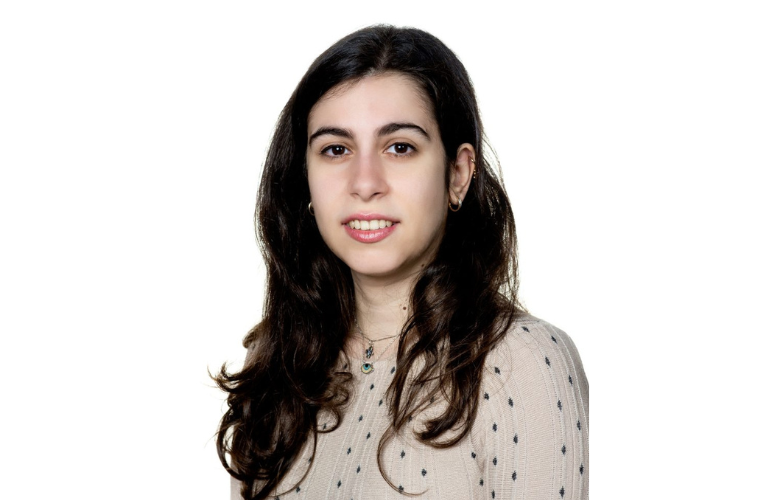

Andria Michael
Host University: University of Cyprus
Department: Department of Psychology
Supervisor: Prof. Panos Zanos
Co-Host University: University of Antwerp (Prof. Debby Van Dam)
Exploring the role of neurotrophic growth factors in comorbid substance use and mood disorders.
Opioid use disorder is a chronic condition in which relapse, often driven by anhedonia, sleep disturbances, and cognitive deficits during protracted abstinence, remains a major barrier to effective treatment. This project investigates the neurobiological mechanisms underlying these maladaptive symptoms to identify novel therapeutic targets that support sustained recovery and improve wellbeing.

Joffrey Fuhrer
Host University: University of Eastern Finland
Department: Existential Wellbeing Lab
Supervisor: Prof Suvi-Maria Saarelainen
Co-Host University: University of Antwerp (Prof. Maarten Vanacker)
Existential Urban Challenges (EUC) to Well-Being My interdisciplinary project is dedicated to addressing well-being challenges faced by people living in urban environments. My primary focus is on what I refer to as “existential urban challenges” (EUC), which involve spatial barriers that hinder the fulfillment of fundamental psychological needs, with negative implications for life satisfaction and overall well-being. These needs include key dimensions of well-being such as connectedness, autonomy, competence, benevolence, purpose, and significance. To this end, I use quantitative approaches to collect data and test my hypotheses.
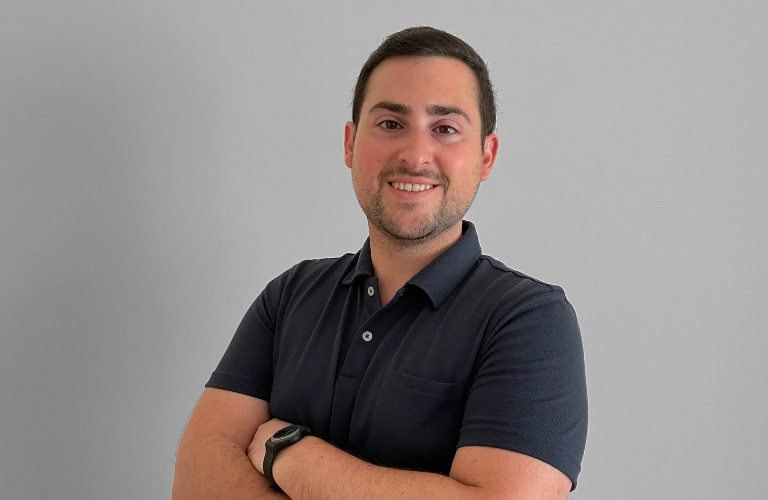
Manuel Barroso Sevillano
Host University: University of Antwerp
Department: Institute of Development Policy (IOB)
Supervisor: Prof. Stef Vandeginste
Co-Host University: Universidad Carlos III de Madrid (Prof. Ignacio Sánchez-Cuenca)
SLP_Social Legitimation of Peace in ‘Contested Cities’. Peacebuilding and Post-conflict Governance in Urban Mozambique. This project will explore, through the case study of Mozambique, how peacebuilding is socially constructed, understood, and legitimised in urban contexts. It addresses both the perspective of the political elites who negotiated and signed the 2019 Peace and National Reconciliation Agreement and that of ordinary city dwellers who have to deal with the outcomes of ‘that peace’ in their everyday urban lives.
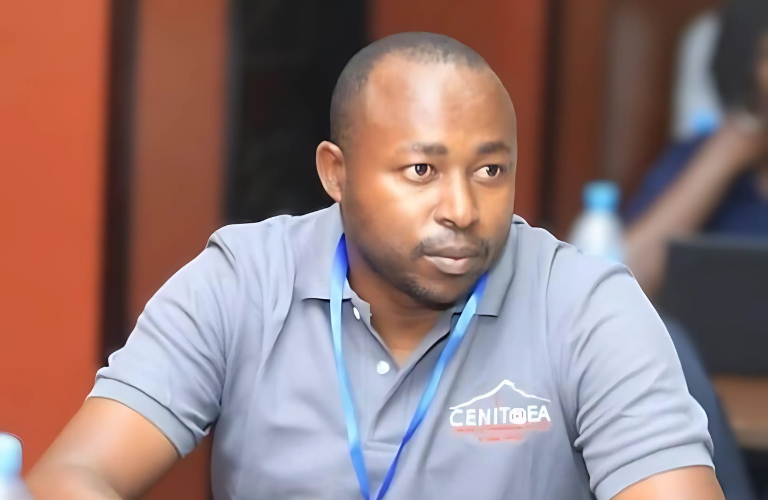
Gibson Kimutai
Host University: University of Bremen
Department: The Sustainable Communication Network (ComNets) research group
Supervisor: Prof. Anna Förster
Co-Host University: University of Rijeka (Prof. Jonathan Lerga)
An IoT-based Federated Learning model for Personal Air Pollution Exposure monitoring Acronym: PFLEET
Air pollution is a leading global health threat, responsible for approximately seven million premature deaths in 2014, and projected to become the primary cause of environment-related deaths by 2050. Individuals are exposed to pollutant levels exceeding outdoor pollution by over 100 times, posing risks to well-being and economic productivity.
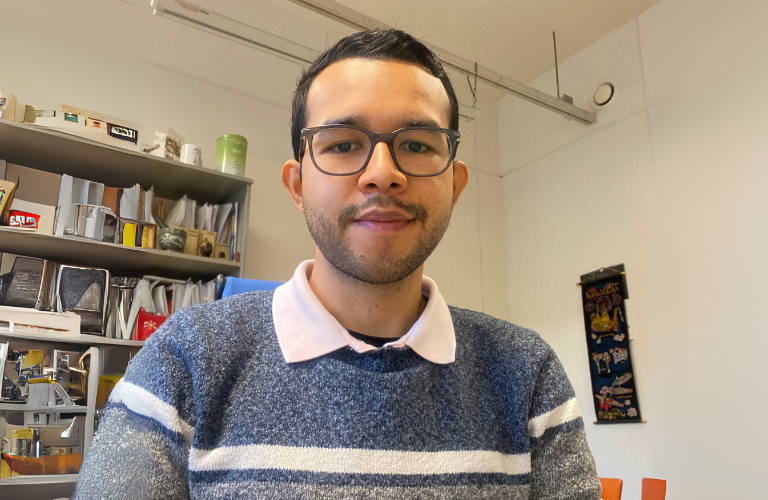
Diego Rodriguez Ibañez
Host University: University of Eastern Finland
Department: School of Pharmacy
Supervisor: Prof. Jarkko Rautio
Co-Host University: University of Cyprus (Prof. Vasileios Vavourakis)
Revolutionizing Breast Cancer Defense: Unveiling Novel Heterocyclic Compounds Through Their Synthesis, in silico modelling and in vitro Evaluation of their Possible Mechanism of action
Breast cancer looms as an imminent threat, affecting both female and male populations worldwide. The alarming surge in breast cancer cases in Europe has prompted intensive research into alternative treatment strategies.
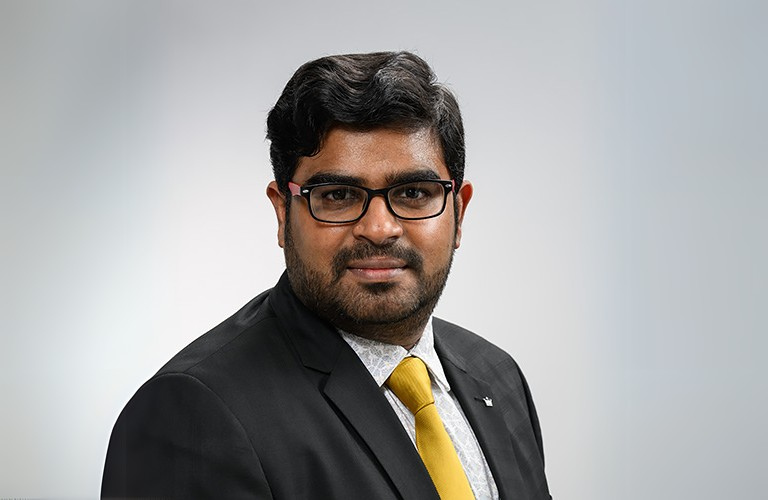
Muniesh Muthaiyan Shanmugam
Host University: University of Eastern Finland
Department: A.I. Virtanen Institute of Molecular Sciences
Supervisor: Prof. Minna Kaikkonen-Määttä
Co-Host University: Maastricht University (Prof. Judith Sluimer)
Investigation of gene expression patterns inducing changes to macrophages (immune cells) in atherosclerosis (plaque build-up in blood vessels)
Atherosclerosis is a leading cause of morbidity/mortality, with macrophages playing a vital role in its progression. Our project aims to analyze gene expression patterns in related cell types to uncover the molecular mechanism of disease as well as to identify critical biomarkers and therapeutic targets for Citizens’ well-being.
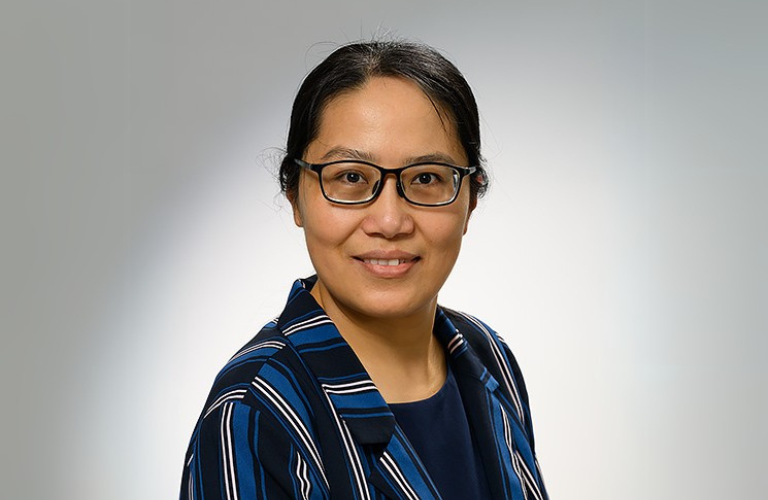
Jing Zhou
Host University: University of Eastern Finland
Department: Department of Social Sciences, Faculty of Social Sciences and Business Studies
Supervisor: Prof. Timo Toikko
Co-Host University: Nicolaus Copernicus University in in Torun (Prof. Katarzyna Suwada)
Youth Health and Well-being in European Cities
This project provides an in-depth and novel understanding of youth health and well-being in the context of global and transnational mobility. It examines young people’s resilience and vulnerability to later health problems, education, work, and other outcomes. It seeks to explore the interrelationships between youth health and well-being and various factors, such as environments, inequalities, and care systems.
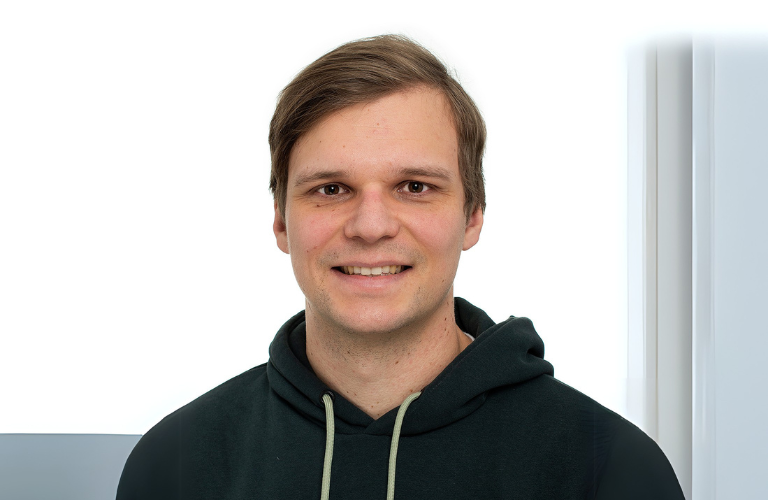
Nikita Belko
Host University: University of Eastern Finland
Department: Department of Physics and Mathematics
Supervisor: Prof. Polina Kuzhir
Co-Host University: University of Antwerp (Prof. Winnok H. De Vos)
Carbon-based quantum dots for biosensing and super-resolution bioimaging (CARBON4BIO)
Improving the diagnosis of pathological processes at the level of intracellular processes remains a highly relevant tasks. We employ graphyne and carbon nitride quantum dots, promising nanomaterials, to achieve the sensing and imaging of intracellular parameters with high precision using non-invasive and fast optical techniques.
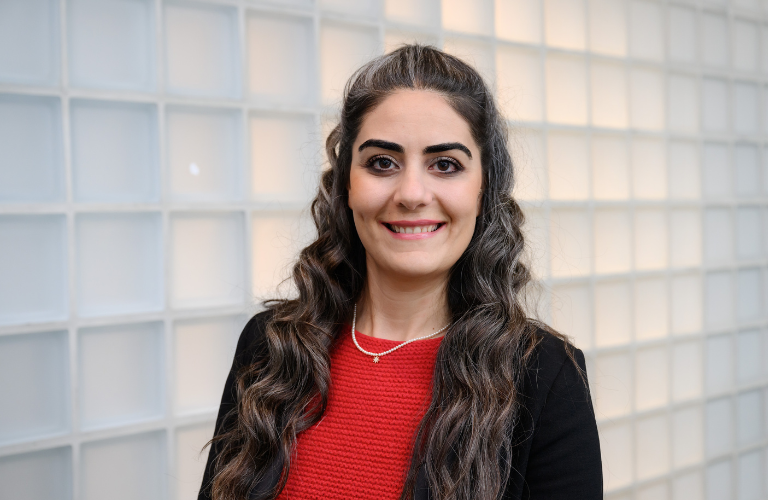
Demet Sinem Guden Yildirim
Host University: University of Eastern Finland
Department: Lehtonen Lab/ Human Brain Disease Modelling Research Group, A.I. Virtanen Institute for Molecular Sciences, Faculty of Health Sciences
Supervisor: Prof. Šárka Lehtonen
Co-Host University: University of Antwerp (Prof. Emanuela Pasciuto)
Plastic Peril: What if Microparticles are Silently Fueling the Increase of Parkinson’s Disease Incidence?
Recent EU restrictions have highlighted the risks of microparticles to human health and the environment. Our groundbreaking research delves into an unexplored aspect of this urban challenge: Could these particles be the unseen culprits behind Parkinson’s disease? Our findings could reshape urban health policies and pave the way for innovative preventive strategies.
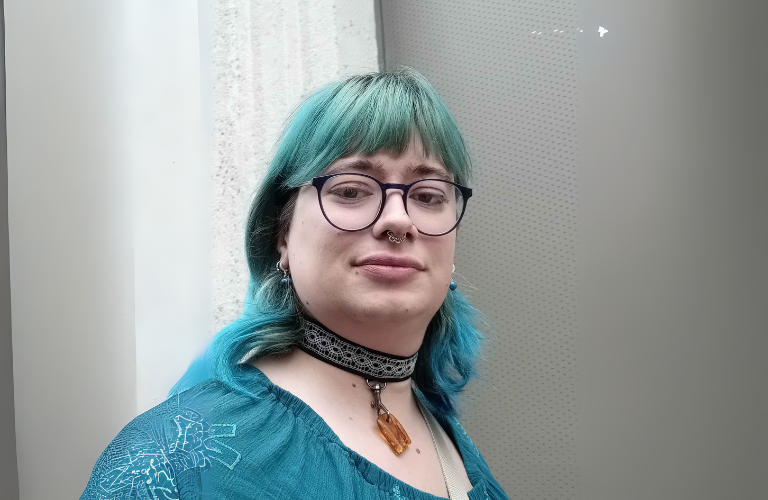
H. Ambre Ayats
Host University: University of Eastern Finland
Department: School of Computing
Supervisor: Prof. Pauli Miettinen
Co-Host University: University of Bremen (Prof. Dagmar Borchers)
Ethics of AI: from Data-centric to Human-centric Models (DaTHuM)
With the explosion of generative AI, the digitalization of our societies has accelerated, and AI agents confront a growing part of the world population daily. However, the current paradigms in machine learning have major sociopolitical ethics issues. This project, interleaving computer science and philosophy, aims to study these data-centred dominant paradigms from a sociopolitical point of view, from their emergence to their current modalities, and to study the possibility of a human-centric machine learning paradigm.
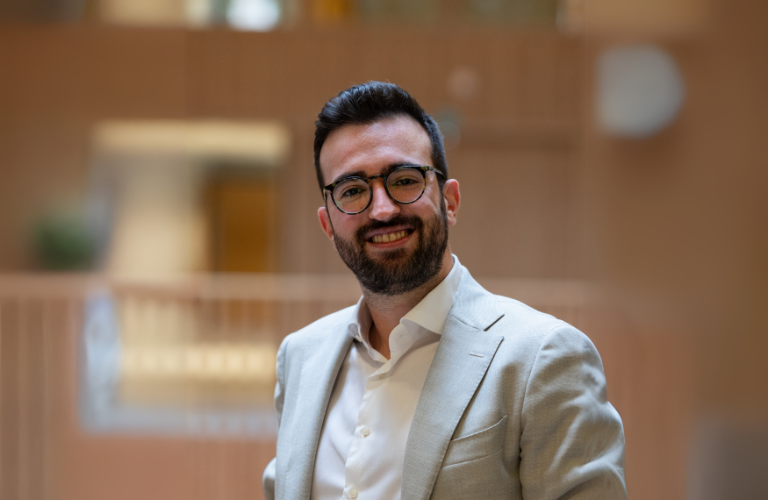
Cédric Neutel
Host University: Maastricht University
Department: Department of Biomedical Engineering
Supervisor: Prof. Bart Spronck
Co-Host University: University of Antwerp (Prof Lynn Roth)
Living with ‘forever chemicals’: a threat to our heart?
Whether we like it or not, PFAS are present in our environment. Although the EU is currently banning the production of new PFAS, we continue to be exposed to those already existing in our surroundings. In this project, we aim to assess the extent of our exposure and explore whether these substances impact our (cardiovascular) health.

Tamaya Van Criekinge
Host University: Maastricht University
Department: Department of Nutrition and Movement Sciences, Faculty of Health, Medicine and Life Sciences
Supervisor: Prof. Kenneth Meijer and Prof. Chris McCrum
Co-Host University: University of Antwerp (Prof. Ann Hallemans)
Sensing falls: The role of the proprioceptive system
Falls are the leading cause of fatalities and hospitalizations among older adults, often occurring during walking when they fail to respond to unexpected perturbations. While timely reactions depend on sensing these perturbations, the role of sensory functions in fall prevention remains underexplored.
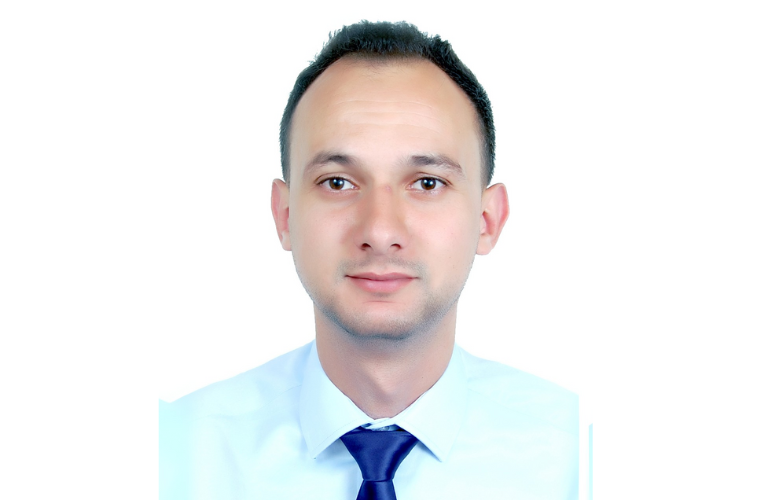
Imad Krikech
Host University: University of Cyprus
Department: Nireas – International Water Research Center, Department of Civil and Environmental Engineering
Supervisor: Prof. Despo Fatta-Kassinos
Co-Host University: University of Rijeka (Prof. Lidija Runko Luttenberger)
Inactivation of pathogenic bacteria by UV-C driven oxidation processes in real urban wastewater
Antimicrobial resistance is a global health threat. This project examines the effects of advanced processes for inactivating antibiotic-resistant bacteria and genes in urban wastewater using, among others, peracetic acid (PAA) combined with UV, applied either concurrently (UV/PAA) or sequentially (PAA-UV/PAA), supported by advanced analytics.
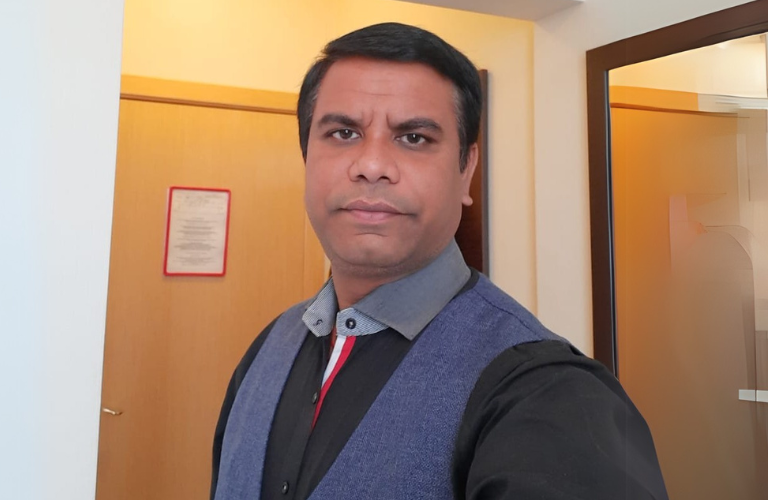
Sudhir Shende
Host University: Nicolaus Copernicus University
Department: Department of Microbiology
Supervisor: Prof. Patrycja Golinska
Co-Host University: University of Antwerp (Prof. Sara Vicca)
Development of nanocomposite using Advanced nanomaterials for sustainable agricultural applications Nano for Wellbeing
Agriculture plays a crucial role in meeting the basic requirements of human life. Soil amendment of advanced nanomaterials like green synthesized metal NPs and their composites with biochar may enhance soil fertility and carbon sequestration that might produce sufficient food for a growing population to achieve one of the SDGs, i.e., “zero hunger” for citizens’ wellbeing.
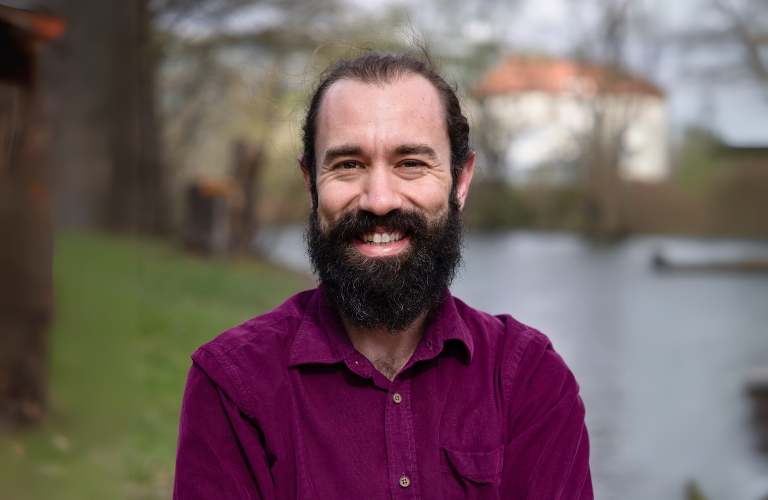
Fatih Gulec
Host University: University of Essex
Department: School of Computer Science and Electronic Engineering
Supervisor: Prof. Vahid Abolghasemi
Co-Host University: Maastricht University (Prof. Christopher Brewster)
Healing Cities through Listening to Plants for Urban Agriculture (Acronym: HERBAN)
Did you know plants “cry” under stress? HERBAN aims to investigate plant sounds for real-time stress detection (drought, pests, etc.). By combining AI, engineering, and biology, it seeks to decode plant sounds, paving the way for technologies in urban farming with efficient water use, fewer pesticides, and improved yields.

Ángel Garcia de Lucas
Host University: Universidad Carlos III de Madrid
Department: Department of Bioengineering
Supervisor: Dr. Beatriz Salinas Rodríguez
Co-Host University: University of Eastern of Finland (Prof. Olli Gröhn)
Imaging specific GABA-A receptors with immunoPET as a method to investigate the nervous system in disease conditions
GABA-A receptors are key ion channels involved in neuronal inhibition. Changes in their diversity have been linked to conditions like schizophrenia and epilepsy. However, current PET imaging techniques can’t assess this diversity. This project aims to develop new tools to address this limitation.

Polina Ivanova
Host University: University of Bremen
Department: Faculty of Education, Unit of Intercultural Education/Education in the Migration Society
Supervisor: Prof. Yasemin Karakaşoğlu
Co-Host University: University of Rijeka (Assoc. Prof. Dr. Adrijana Martinović)
International students’ loneliness and social engagement in European university cities
International students face higher risks of loneliness, which threatens their human security and well-being. This study explores factors and policies fostering social connections and well-being among international students in Germany and Croatia, aiming to enhance student support and build cohesive urban communities.
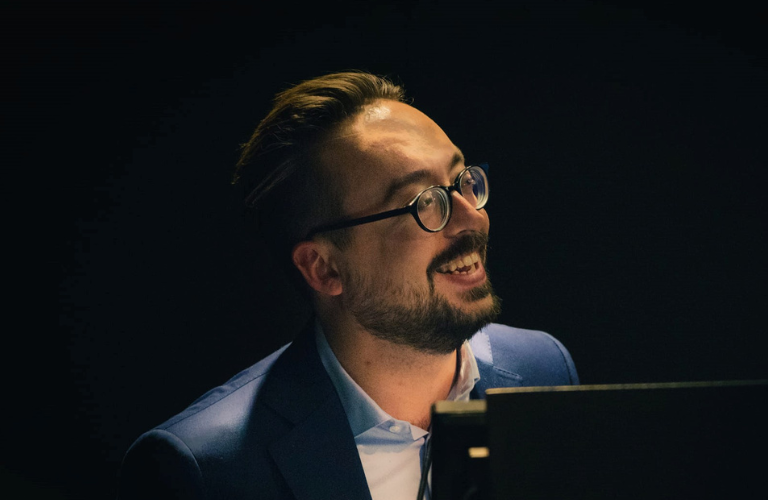
Yanni Ratajczyk
Host University: University of Rijeka
Department: Department of Philosophy
Supervisor: Prof. Iris Vidmar Jovanović
Co-Host University: University of Antwerp (Prof. Katrien Schaubroeck)
Iris Murdoch’s philosophy and Shared Reading
According to Iris Murdoch (1919-1999), morality is essentially about paying attention to the particularities of other human beings. This project focuses on the role of imagination and fantasy in such attention and examines whether Murdoch’s philosophy may be a model for contemporary Shared Reading practices.
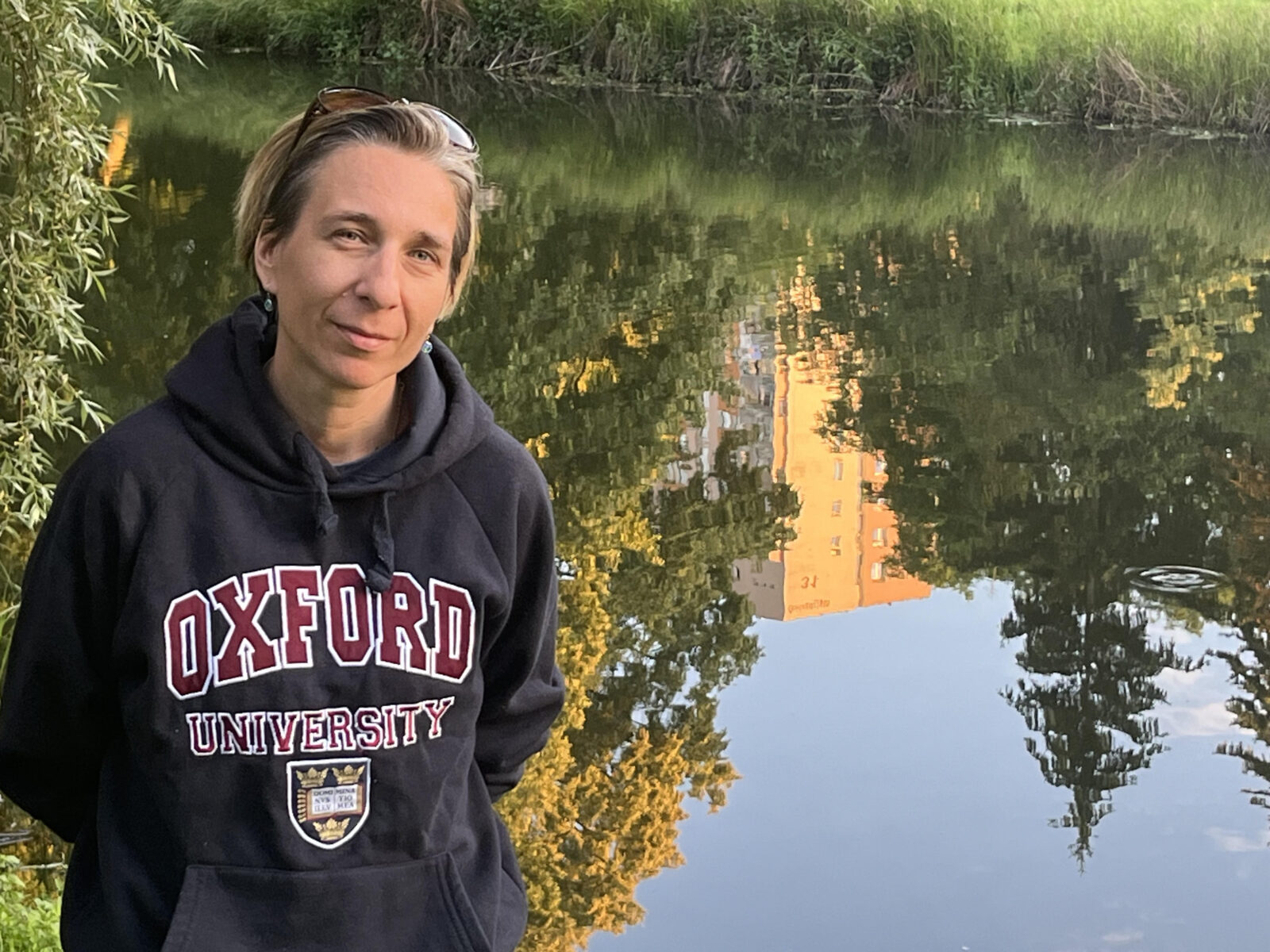
Berenika Seryczynska
Host University: University of Rijeka
Department: Faculty of Medicine, Department of Social Sciences and Medical Humanities
Supervisor: Prof. Saša Horvat
Co-Host University: Nicolaus Copernicus University in Toruń (Prof. Piotr Roszak)
Pilgrimage and tourism phobia: opportunities and challenges. The well-being of the inhabitants of Medjugorje (Bosnia and Herzegovina), Santiago de Compostela (Spain), and Częstochowa (Poland): a comparative study.
My research examines how pilgrimage affects the well-being of residents in Medjugorje, Santiago de Compostela, and Częstochowa in the key of Bauman’s modern personal patterns. I explore tensions between traditional pilgrimage as a ‘search for authenticity’ and modern tourism’s ‘economy of experience,’ linking this to tourismophobia. Methods include interviews and focus groups with locals and pilgrims.

Pegi Pavletić
Host University: University of Rijeka
Department: Faculty of Biotechnology and Drug Development
Supervisor: Prof. Milan Mesić
Co-Host University: University of Eastern Finland
ProtACT(ing) human health: drug off-target discovery for EGFR-related therapies.
Our project focuses on the identification of potential off-targets of the epidermal growth factor receptor (EGFR), employing heterobifunctional molecules (PROTACs). We aim to identify, map out, and make connections between undiscovered mediators that are either activated or deactivated in the EGFR-related pathologies.
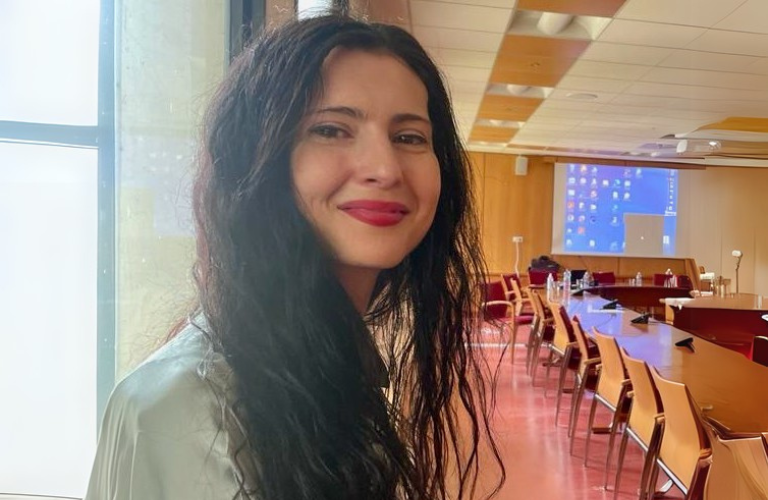
Clothilde Facon-Salelles
Host University: University of Antwerp
Department: Department of Political Science, Research Group: International Politics
Supervisor: Prof. Jorg Kustermans
Co-Host University: University of Cyprus (Prof. Costas Constantinou)
Humanitarian diplomacy in semi-authoritarian and authoritarian states
The ability of aid organisations to keep operating while they are more than ever need is a crucial issue in contemporary politics, as their activities are being curtailed by state authoritarian practices. Thus, this project critically analyses these restrictions in Turkey and in Egypt, the strategies of aid organisations to negotiate the control of their operations, and the extent to which they challenge or perpetuate the political status quo.
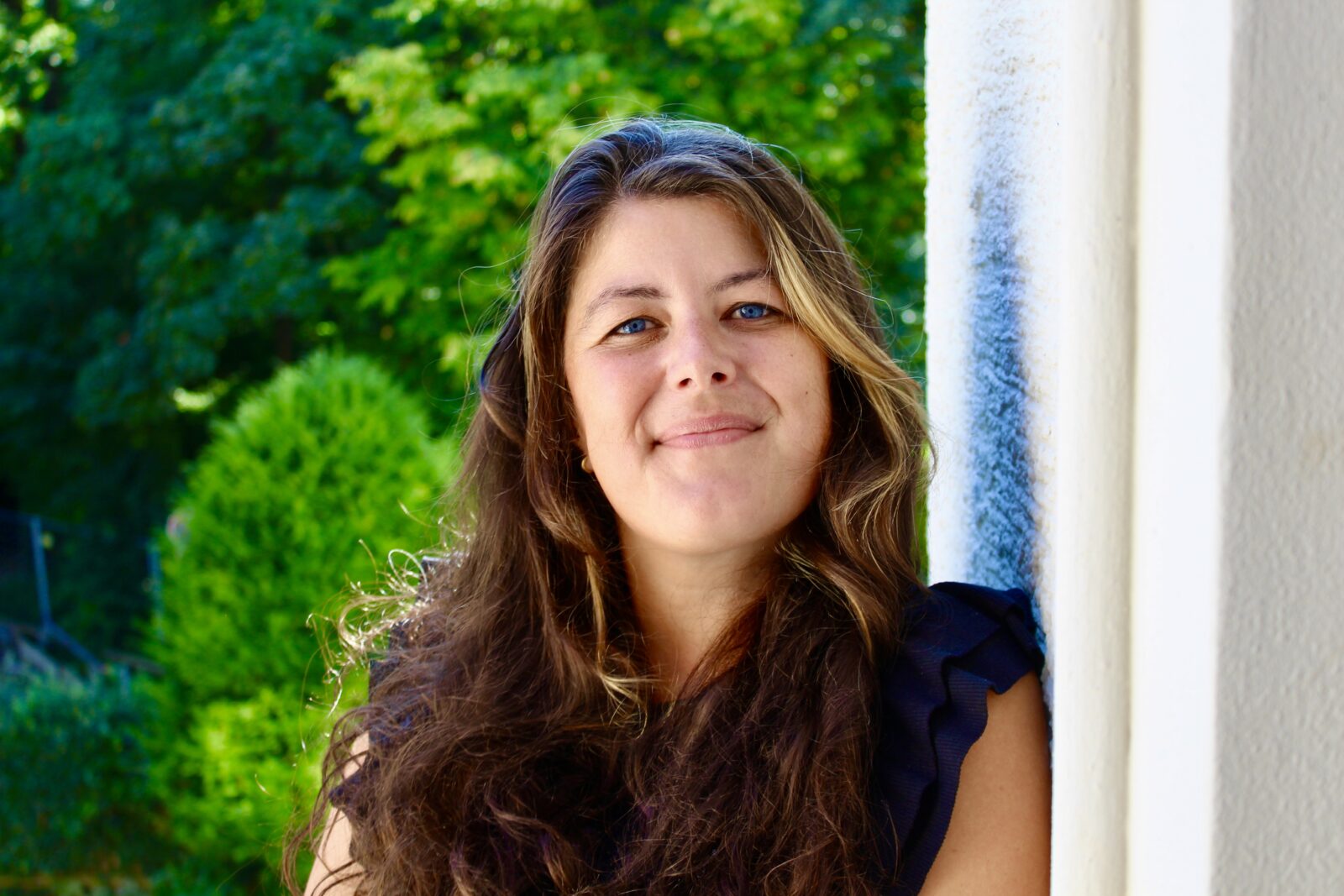
Pilar Lopez-Cantero
Host University: University of Antwerp
Department: Centre for Ethics, Philosophy Department
Supervisor: Prof. Katrien Schaubroeck
Co-Host University: Universidad Carlos III De Madrid (Prof. Andrea Greppi)
Affect In the City (AFFINITY): The emotional dimensions of urban justice
Urban residents need to feel at home in order to live well. Drawing from my philosophical expertise on emotion and justice, the project describes the emotional goods and burdens that ground the affective rights to the city: the features of our emotional lives that should be protected in just urban societies.
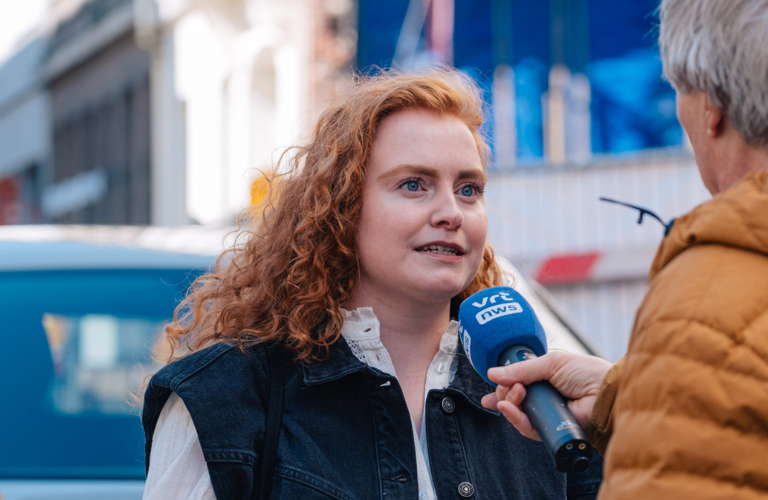
Paulien Decorte
Host University: Maastricht University
Department: Human Decisions and Policy Design research group, Marketing and Supply Chain Management, School of Business and Economics
Supervisor: Prof. Caroline Goukens
Co-Host University: University of Antwerp (Prof. Charlotte De Backer)
Convenient Cooking: Investigating the power of convenience in consumer recipe choices for healthier cooking
During my project I will be investigating how consumers make recipe decisions for their dinners using an app/website interface. Specifically, I will study how convenience is negotiated within those decisions in its different facets, combining observational, psychophysiological, and longitudinal measurement.
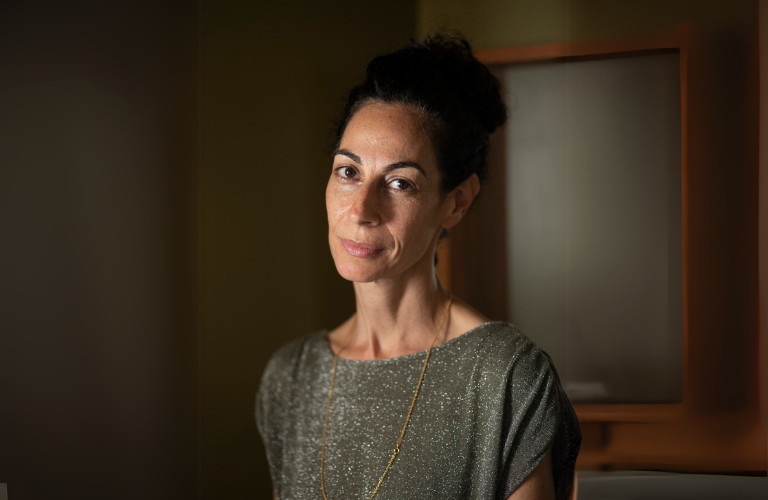
Maya Weinberg
Host University: University of Essex
Department: School of Life Sciences
Supervisor: Prof. Alex Dumbrell
Co-Host University: Nicolaus Copernicus University (Prof. Wojciechowski)
One City, One Health – Pursuing a Healthier Tomorrow for all Urban Inhabitants
Bats are a common native European wildlife in urban places, and they pose potential beneficial opportunities and challenges regarding human health. By studying bats and their bacteria, we address and promote better public health, biodiversity conservation, urban planning, future citizen science, and educational applications.
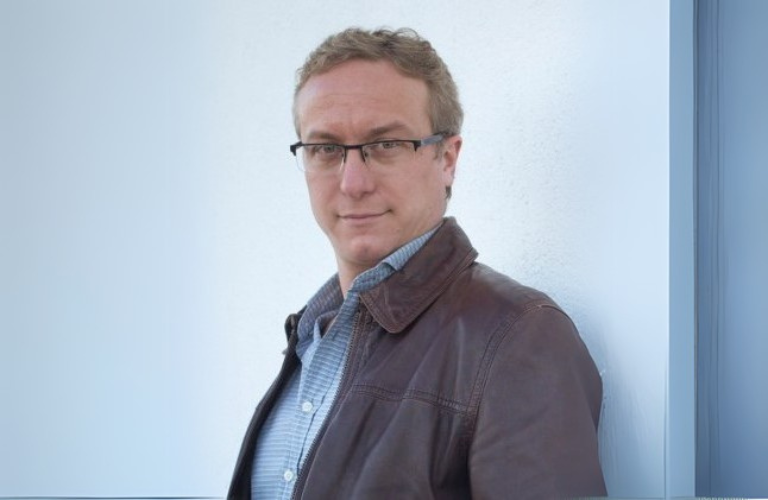
Gareth Osborne
Host University: University of Antwerp
Department: Department of Literature, Children’s Literature Studies Research Group
Supervisor: Prof. Vanessa Joosen
Co-Host University: University of Essex, School of Computer Science and Electronic Engineering (Dr. Aikaterina Bourazeri)
The potential of AI to augment children’s co-creation of immersive story worlds.
Immersive practices invite children to explore stories that come to life in an emergent European network of interactive children’s museums. Generative AI can augment children’s co-creative capacity of immersive experiences, boosting their critical media literacy of the invisible algorithms structuring their media participation.
Latest news
YUFE Blended Intensive Programmes (BIPs) 2026/27

Apply now for the Research Leadership Programme
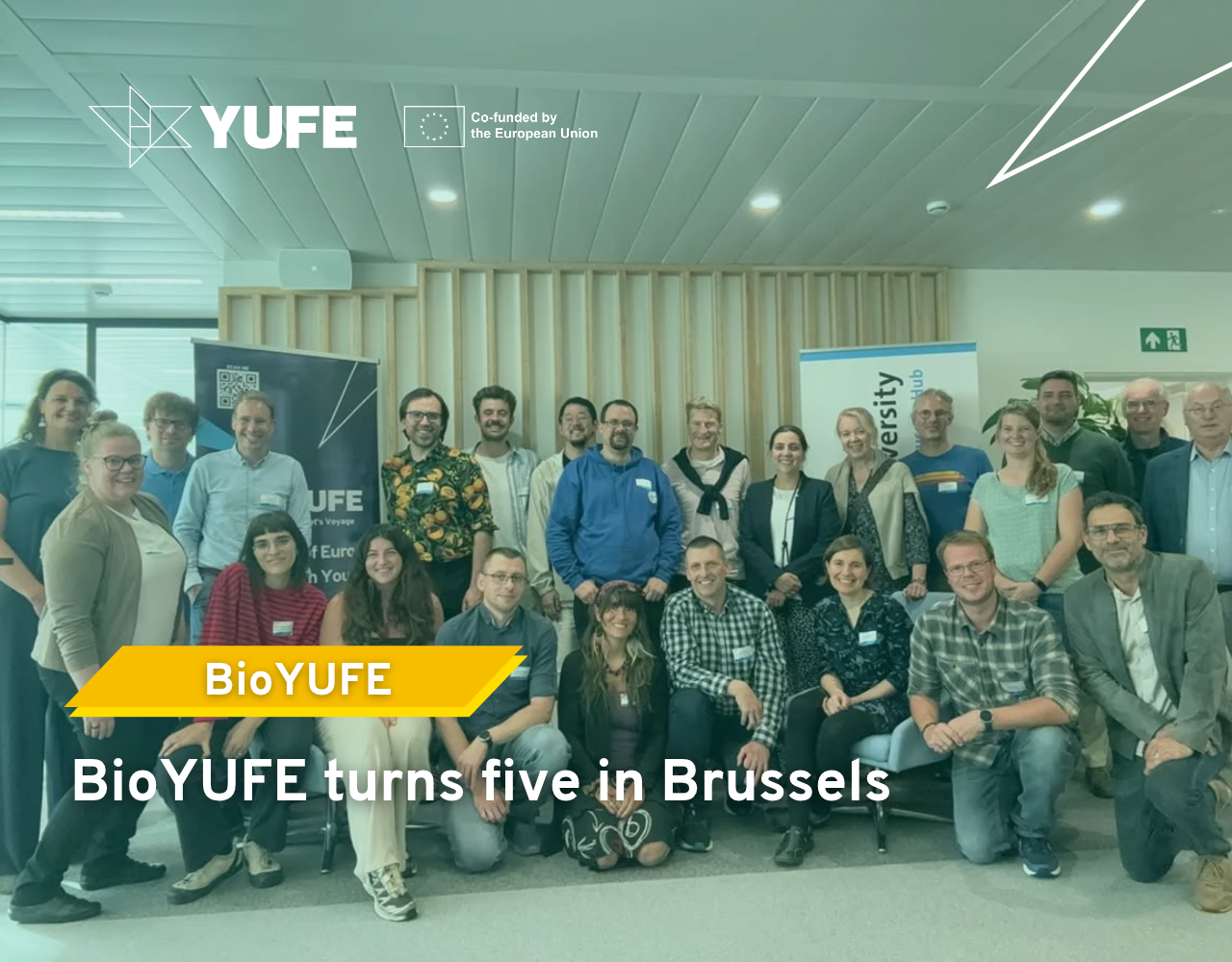
BioYUFE turns five in Brussels
New Course Offers for Staff Members of YUFE Universities
Ecologies of AI in the Arts and Media
The YUFE Academy Autumn 2026 edition is here!
YUFE Online Language Cafés: Where Languages Bring Europe Together
Interdisciplinarity in Climate Research: A Challenge for ECRs?
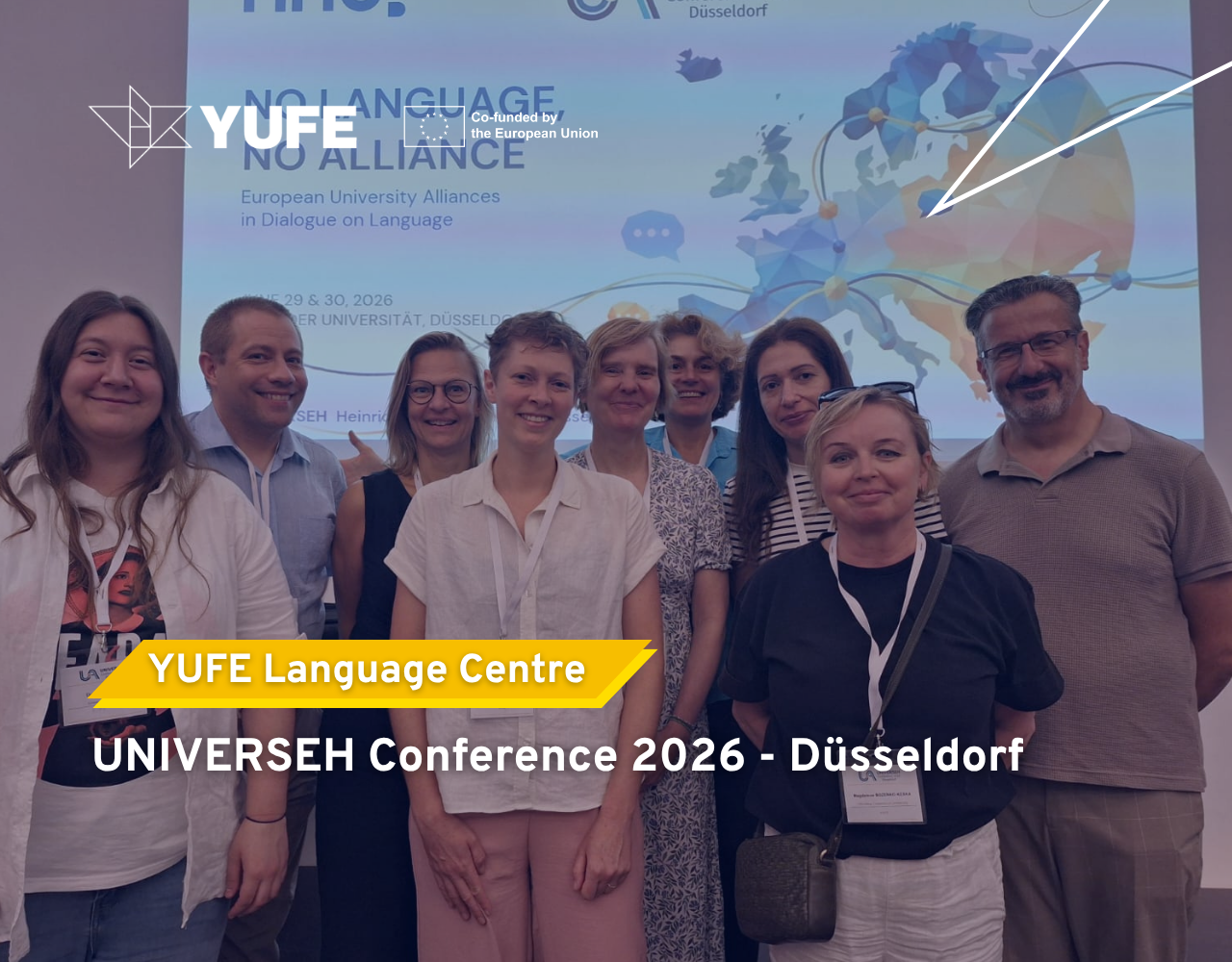
YUFE Language Centre at the UNIVERSEH Conference 2026 in Düsseldorf
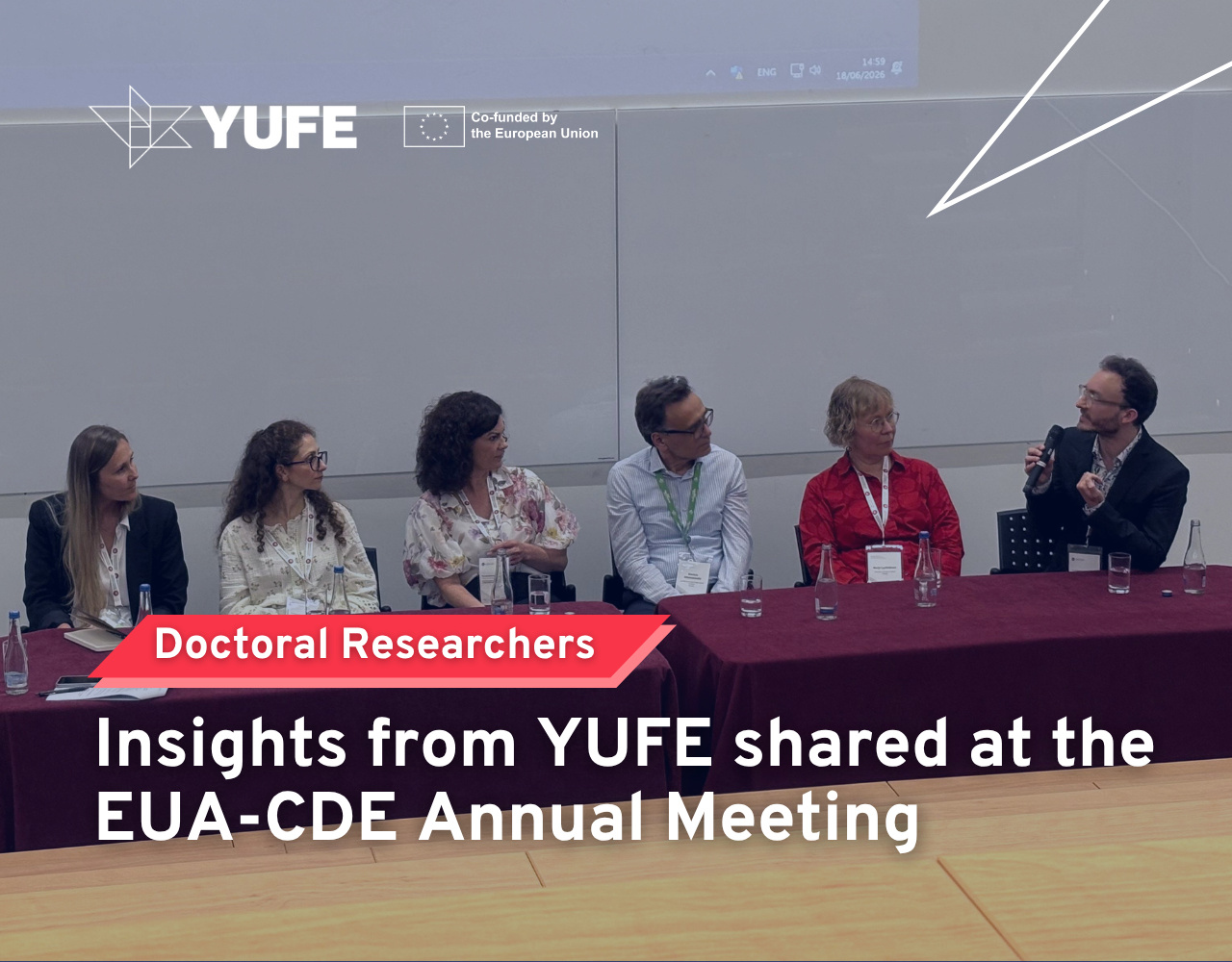
Preparing doctoral researchers for diverse career pathways
Upcoming events for Organizations
5
Nov
YUFE Academy: Political Ecology of Forests

6
Nov
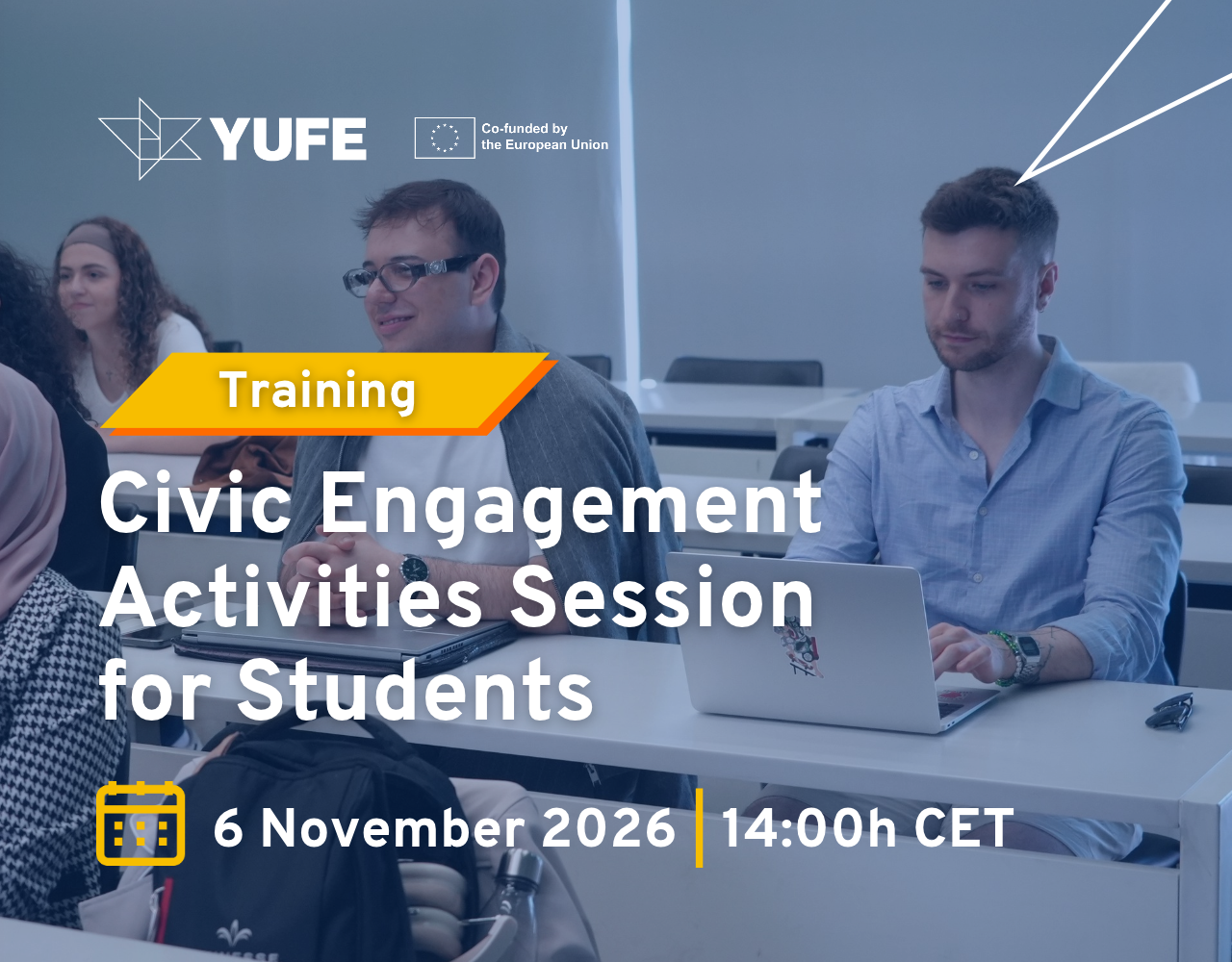
Civic Engagement Activities Intro Training for Students
6
Nov
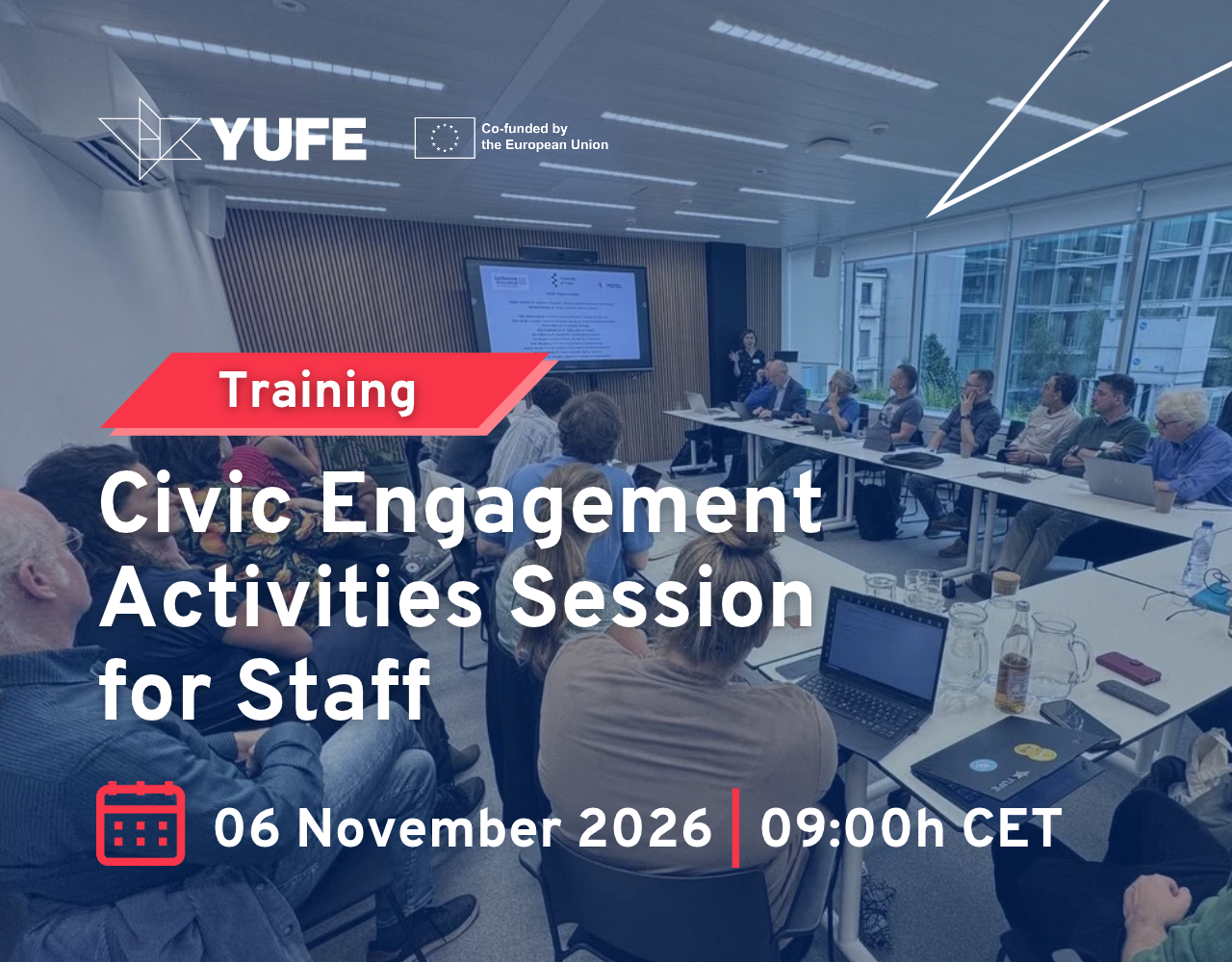
University-Community Engagement for Staff
9
Nov
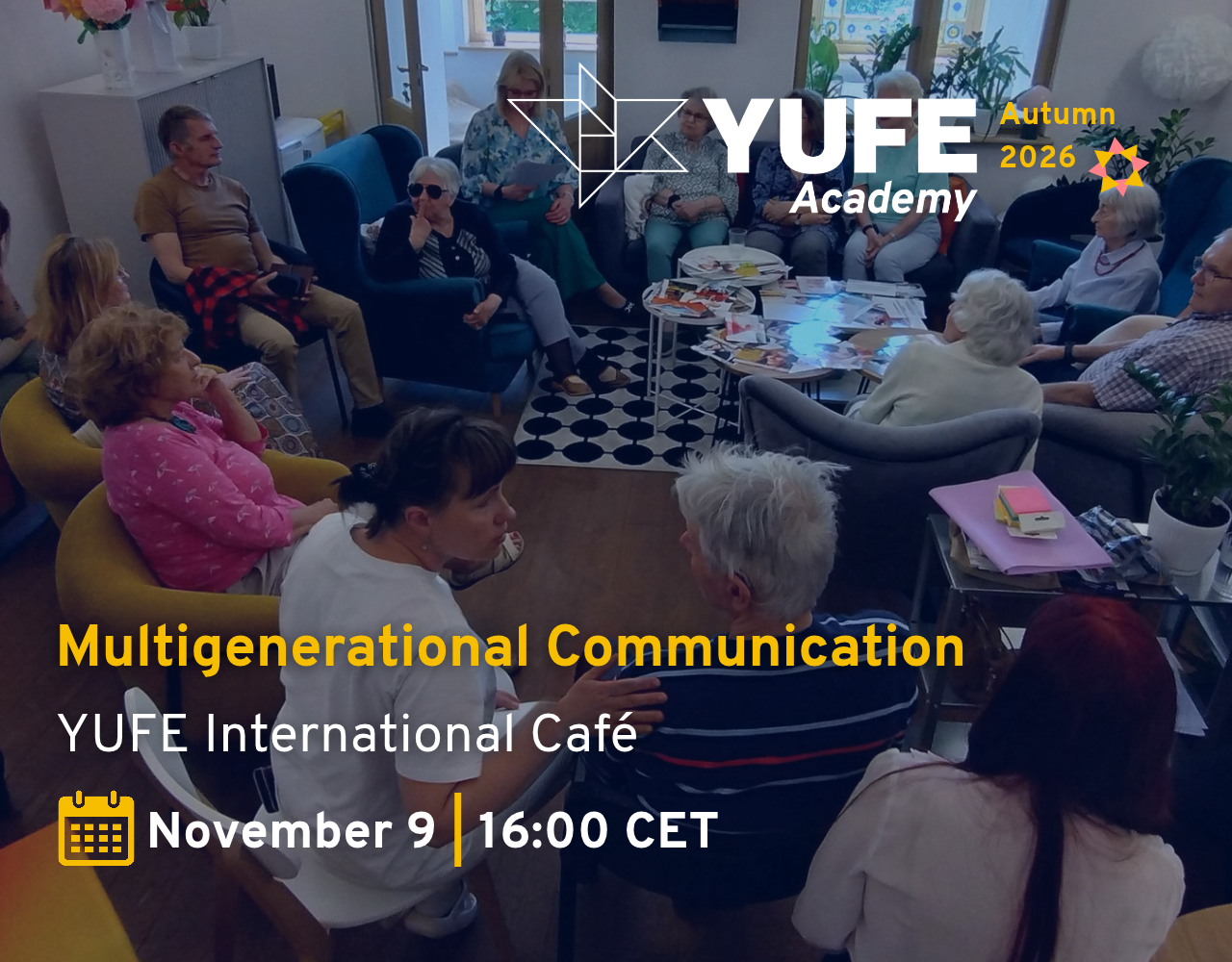
YUFE Academy: Multigenerational Communication
16
Nov
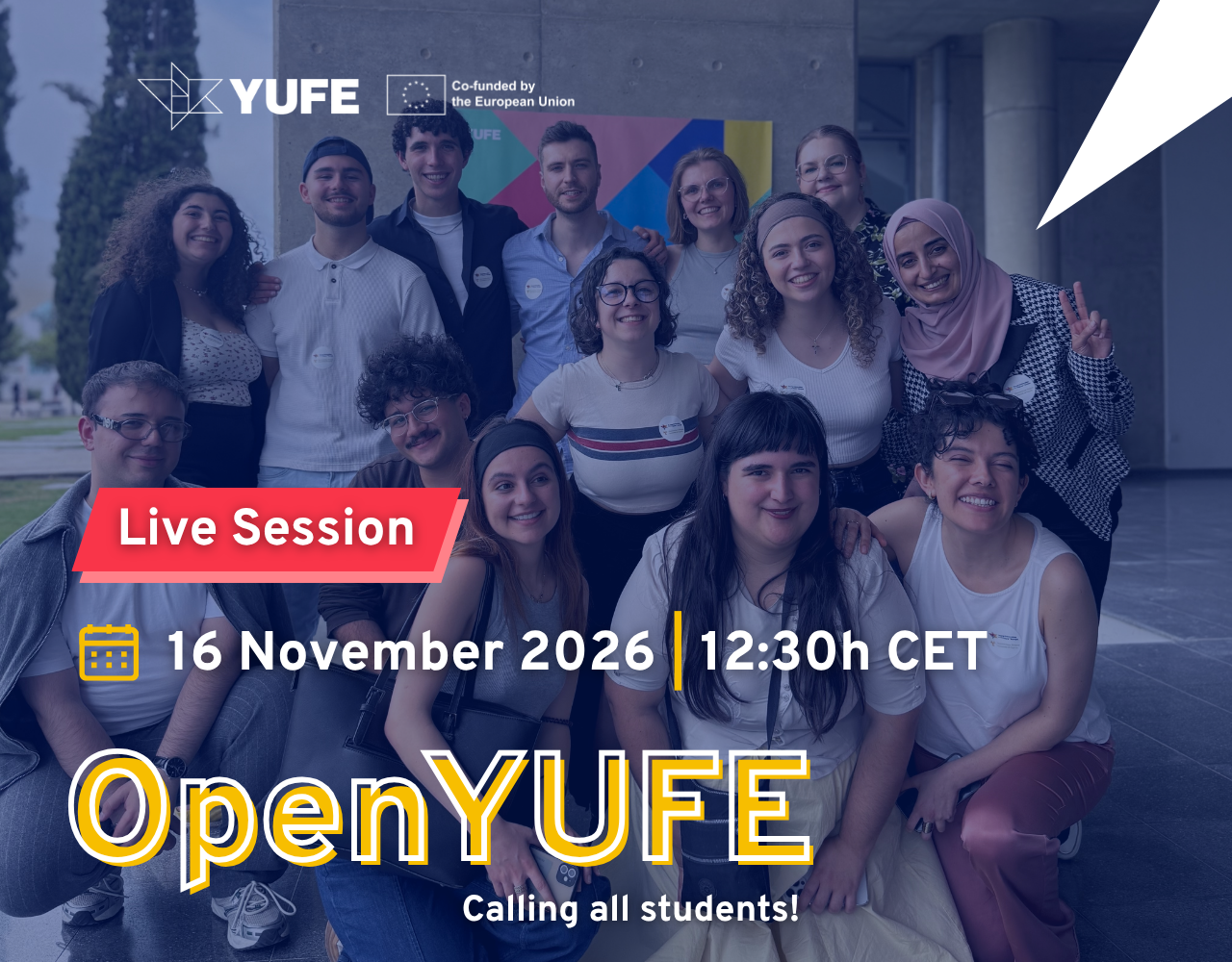
YUFE Open Day – Live Session 16/11/2026
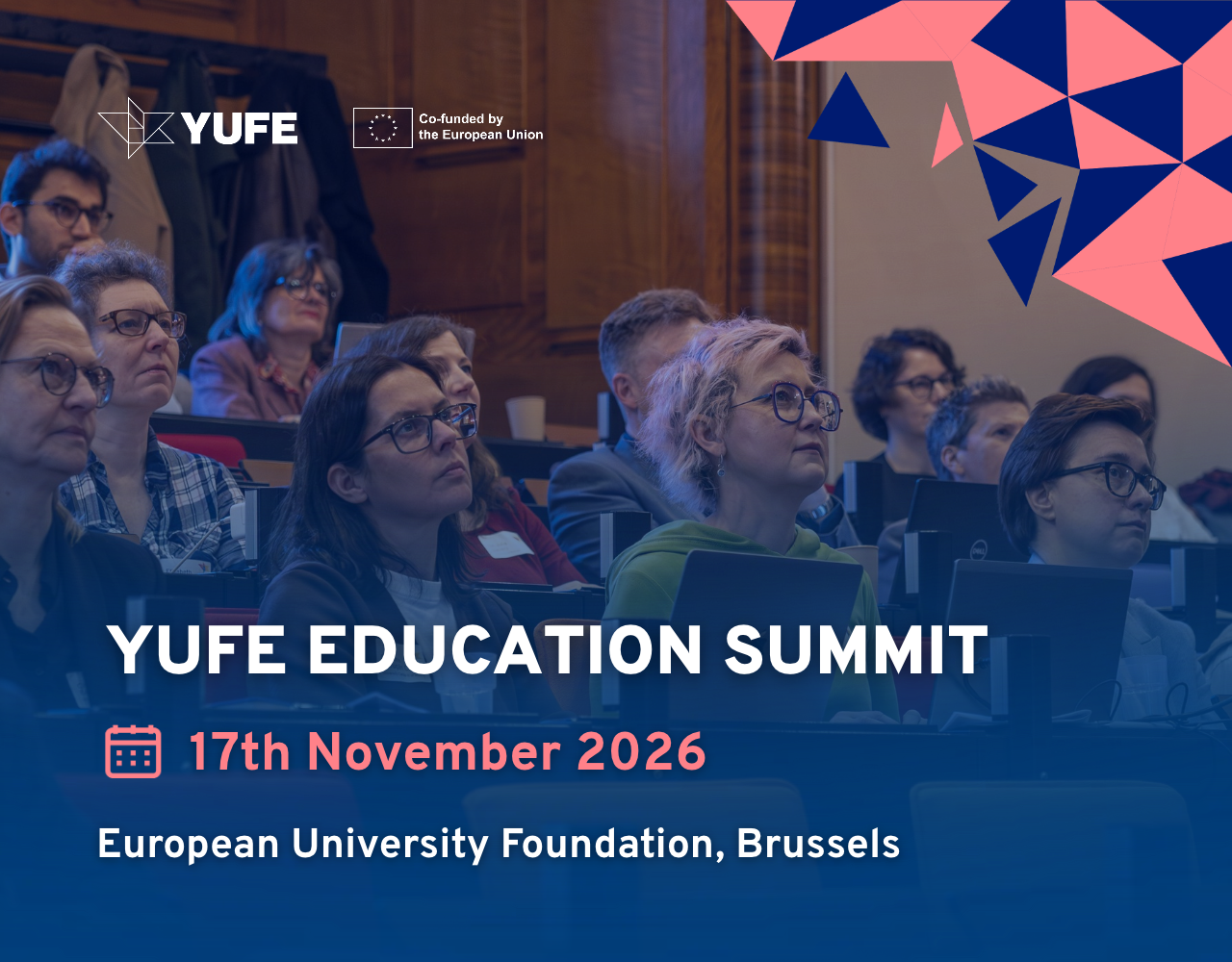
17
Nov
YUFE Education Summit
26
Nov
YUFE’s Joint Bachelor Live Session
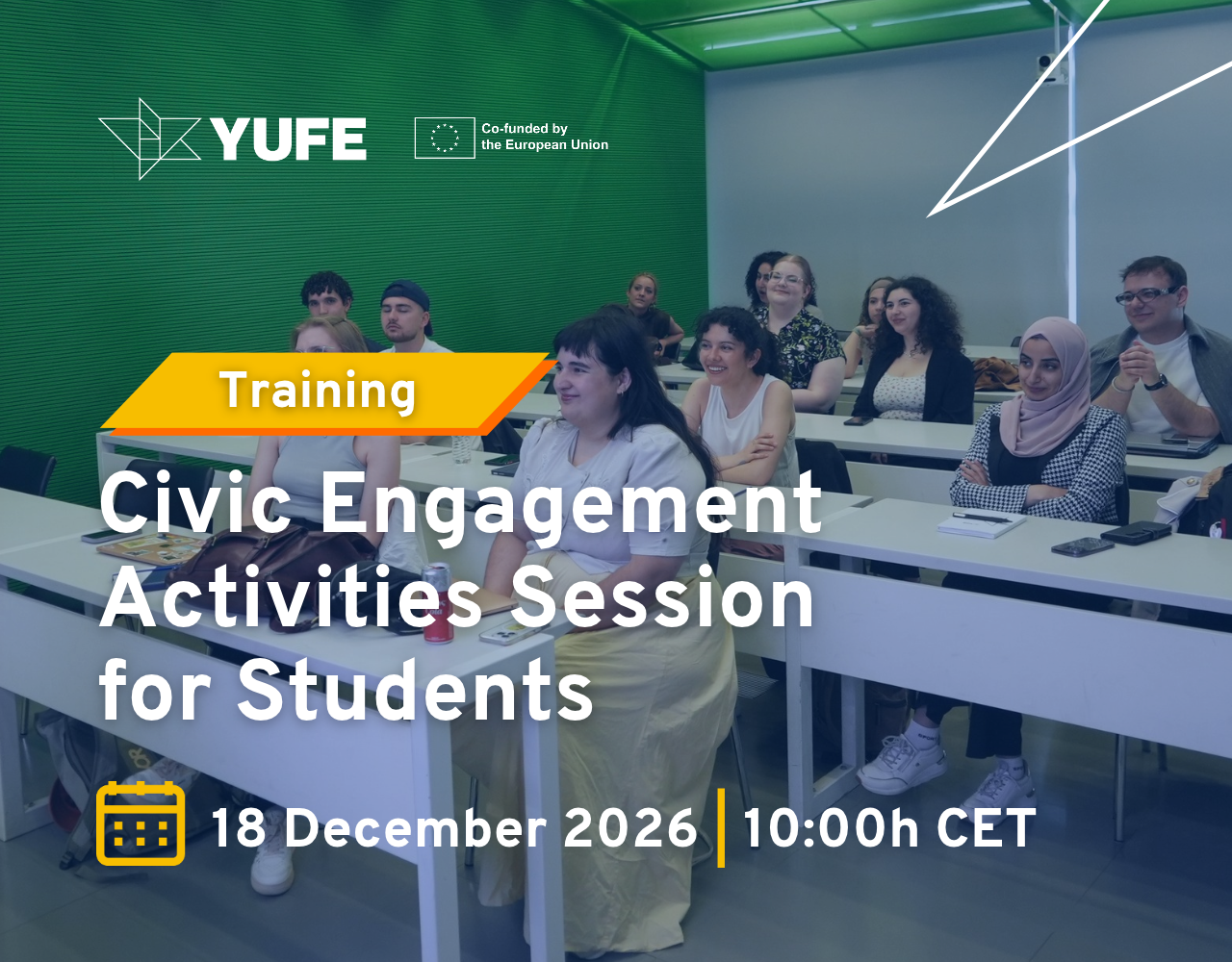
18
Dec
Civic Engagement Activities Intro Training for Students
20
Jan
YUFE’s Joint Bachelor Live Session
24
Feb
YUFE’s Joint Bachelor Live Session
1
Mar
YUFE Open Day – Live Session 01/03/2027
14
Apr
YUFE Open Day – Live Session 14/04/2027